Enterprise Edition of PHPRunner and ASPRunner.NET provides Active Directory authentication option. It is a useful feature but it has some restrictions, for instance, you cannot use a hybrid database/AD approach where some users will use Active Directory login and some others will have their usernames and passwords stored in the database.

This changes in version 10.6 where Active Directory is no longer a replacement for database-based login but a supplement. Active Directory is now considered a “security provider” and works the same way as “Login via Google” or “Login via Facebook”. We are also adding new security providers like OpenID, SAML, AzureAD and Okta.

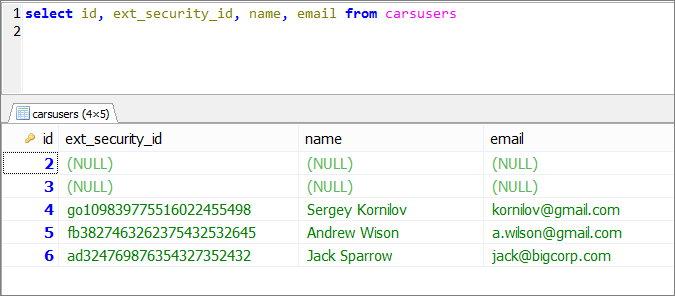
This is how it works on the backend side. If you have used “Login via Google” or “Login via Facebook”, you should be already familiar with this concept. When user logs in via a third-party security provider we create a record in the users table with a unique id that for Facebook starts with fb, for Google it starts with go, and for Active Directory that prefix will be ad.

Continue Reading "New security providers in version 10.6"

As web developers, we deal with large amounts of data every day. Sometimes it helps to sit back and take a closer look at the data in hand and see what data is trying to tell.

Here, at Xlinesoft.com customer support is one of the most important parts of the business. We deal with a large number of emails and helpdesk tickets every day and, as a small weekend project, we decided to build a few charts to analyze those emails. We are sharing these results here and hoping that it can provide you or your clients with some insights.

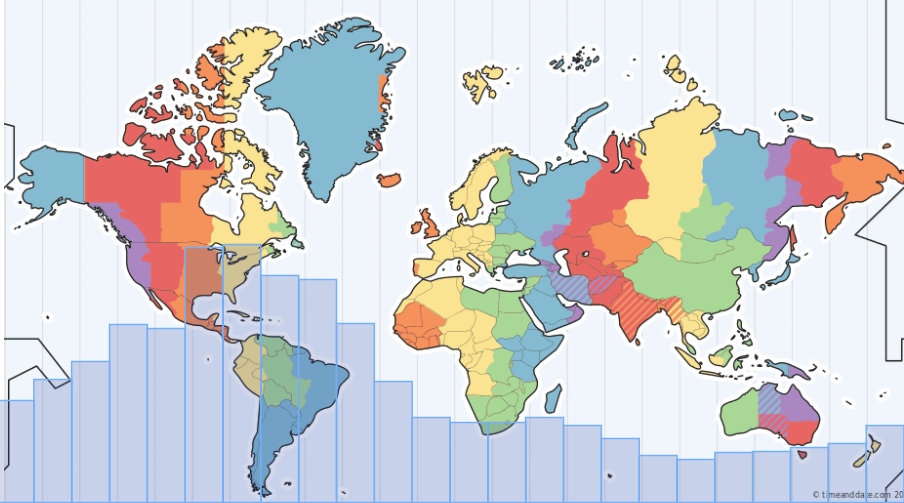
First of all, we analyzed incoming support requests by the hour of the day. There is no surprise that 9am to 1pm US Eastern time is the busiest time of them all as emails from Europe and tickets from both East and West coast are coming in. We grouped those emails by the hour of the day and placed them on the world map with timezones for easy digesting.

Continue Reading "Analyzing incoming emails"

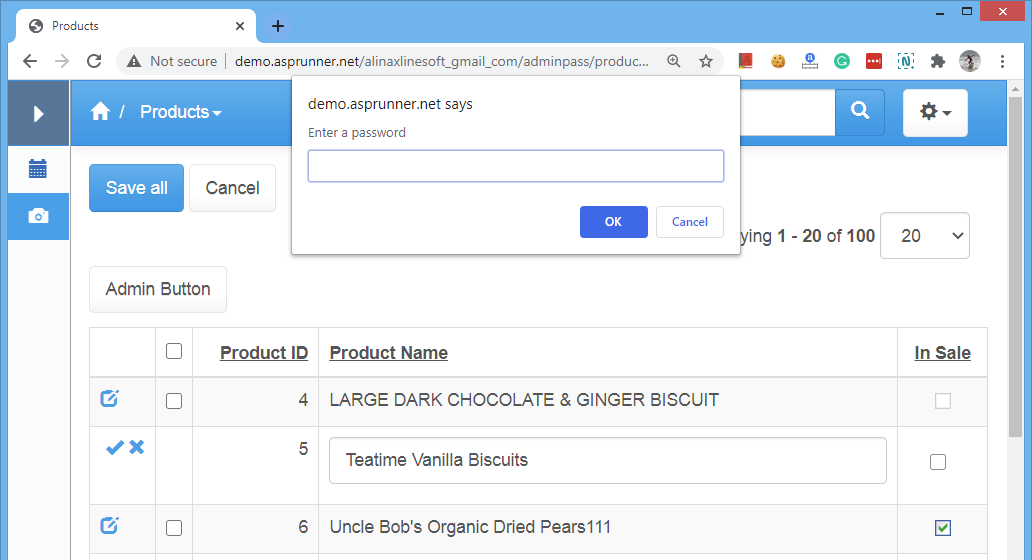
Some businesses may require two people to confirm certain actions like big transactions may require a supervisor’s approval. Another scenario – certain actions require entering the second password. This additional password can be changed daily and distributed among employees in the morning along with the secret handshake. Btw, the whole application doesn’t need to be password-protected, you can add the password to a certain action.

In this article, we will show how to implement this additional password security feature. We will cover two scenarios here:
1. Password-protecting custom button
2. Password-protecting editing the field in inline mode

Continue Reading "Password-protecting additional admin actions"

In multi-user applications, new records may be added while another user is already looking at the List page. A helpdesk is a typical example: customers submit tickets while support staff keep the ticket list open and need to see new items quickly.

This example periodically checks whether new records were added. When new data is detected, the page can either reload automatically or display a notification. Newly arrived records are also highlighted so they are easy to notice.


PHPRunner notification showing new records on a List page

Continue Reading "Automatically Show New Records on a PHPRunner List Page"

We have discussed the topic of making a beautiful login page in this post. What if we can take it to the next level automatically changing the login page background once a day? It is easier than you think. We are going to use of Reddit forums where people post pictures of our beautiful planet. There are communities there for every taste: cute animal pictures, wallpapers, abandoned buildings, astronomy pictures so you can find something that fits your website theme. Here is how the sample…Continue Reading “Dynamic login page background”

Master-details is a very useful feature but the details table may clutter the UI. We have seen projects where people have more than a dozen details tables and it would be useful if we can hide some that are not relevant to the current master table record.

Let us take a look at this completely artificial example. A typical setup with Orders table as a master and Order Details, Employees, and Customers as details. We would like to hide the Employees table tab when OrderID is more than 10300.

Continue Reading "Hiding details table tab on the fly"

A PHPRunner application can use the browser Geolocation API to request the user’s current latitude and longitude. Those coordinates can then be passed to the server and used for features such as nearby results, maps, service-area checks or location-aware filtering.

The basic flow is:

  1. Request the user’s location in JavaScript.
  2. Read the latitude and longitude returned by the browser.
  3. Send those values to the server.
  4. Store or use the coordinates in the PHPRunner application.

Before you start

Browser geolocation requires the user’s permission. The browser may display a prompt asking whether the user wants to share their location, and your application should continue to work if permission is denied.

Geolocation also requires a secure context. In production, the application should be served over HTTPS. Browsers generally allow geolocation on localhost for development as well.

The accuracy of the returned coordinates depends on the user’s device and environment. A phone with GPS may provide a very accurate location, while a desktop computer may return a less precise estimate based on Wi-Fi or other available information.

Continue Reading "Get a User’s Geolocation in a PHPRunner Web Application"

In the current world situation, all countries track new and existing cases of COVID-19. Some countries provide an API to access the latest data. Here is an API provided by Hong Kong’s department of health. Today we will learn how to display this data in our own application. Applies to version 10.4 of PHPRunner, ASPRunner.NET and ASPRunnerPro.

Creating the REST View

1. Lets see how we can display data for March 2020. We added a filter for ‘As of date’ field to show data that contains ’03/2020′ in this field (they use UK date format). Click ‘Get result’ and we will see both API query string and the data it returns.

2. Now, lets take a look at the URL:

https://api.data.gov.hk/v2/filter?q=%7B%22resource%22%3A%22http%3A%2F%2Fwww.chp.gov.hk%2Ffiles%2Fmisc%2Flatest_situation_of_reported_cases_wuhan_eng.csv%22%2C%22section%22%3A1%2C%22format%22%3A%22json%22%2C%22filters%22%3A%5B%5B1%2C%22ct%22%2C%5B%2203%2F2020%22%5D%5D%5D%7D

We can paste it to the web browser and get the same results in JSON fomat. Now it is the time to create a REST connection. The https://api.data.gov.hk/v2/ part of the URL is the main connection URL.

Continue Reading "Working with third-party REST API"