You do not need to import an entire third-party website theme to reproduce its look in PHPRunner. A dashboard can be styled by combining Page Designer settings, fonts, chart options, code snippets and a small amount of CSS while keeping the generated application structure intact. The example below starts with an existing dashboard design as inspiration and recreates the important visual ideas inside PHPRunner. For inspiration, we will use the Material Dashboard design by Creative Tim. Here is the original design: Before you start When…Continue Reading “How to Create a Custom Dashboard Theme in PHPRunner”
When you have a long List page with dozens of records, editing or viewing a record on a separate can be cumbersome. After you edit or view a record, clicking ‘Back to List’ will display all the records from the top and you lost the position of the record you just edited. This simple technique will allow you to scroll the List page back to the original position and also it will highlight the record that was just edited or viewed. To implement this feature…Continue Reading “How to scroll List page to the record that was edited”
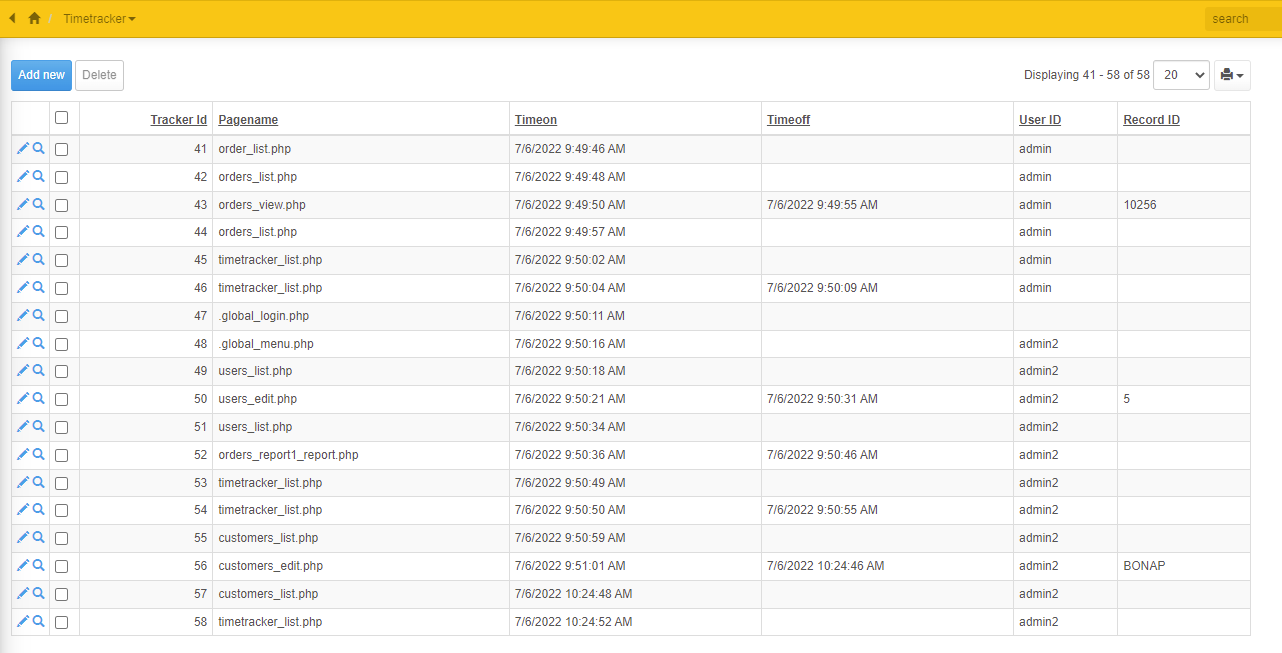
So you want to know how much time users spend on any specific page of your web application? This article explains how to log what pages your users visit and how much time they spend on each page. This kind of data can provide valuable insight into what forms of your application are too complicated and need to be split into several smaller forms. Or if they keep coming back to the welcome page this may mean your navigation inside the app can be improved.
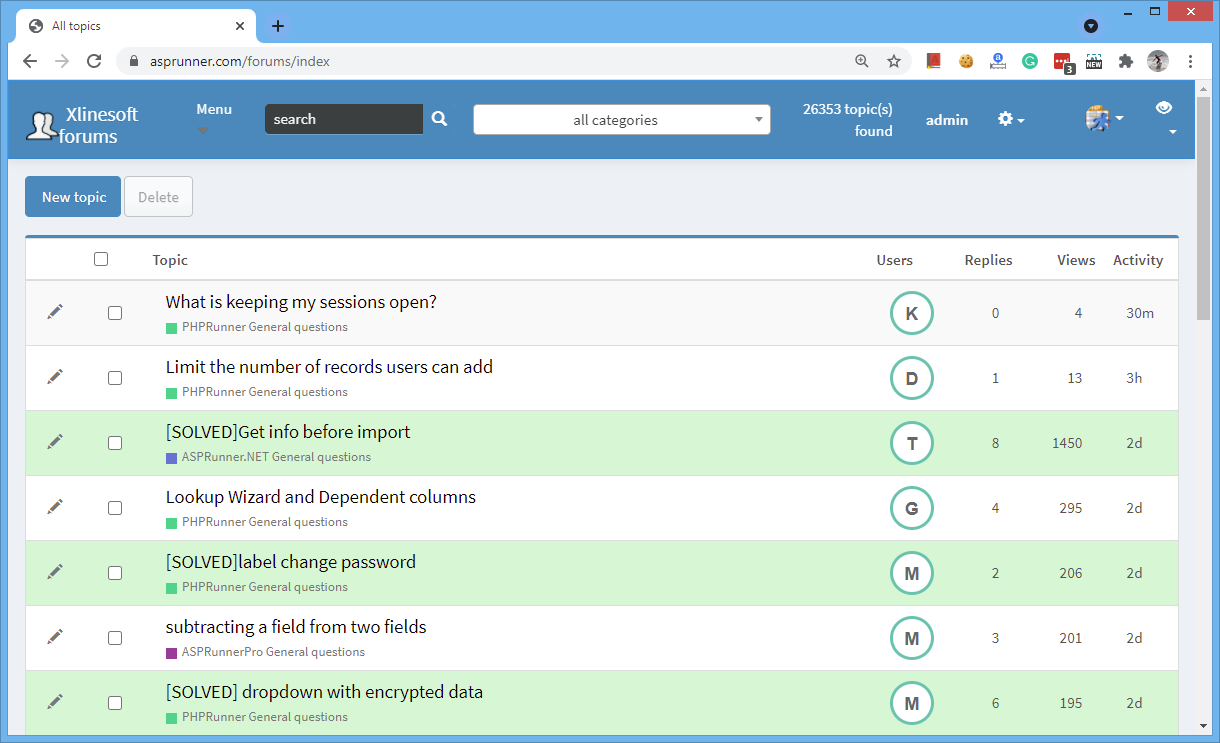
Task – implement custom grid display in PHPRunner or ASPRunner.NET applications on mobile screens. The idea is to use the same HTML and achieve our goal using CSS only.
CSS Grid layout is nothing new and excellent tutorials are available on the web for those who want to learn more. In this article we will only cover all the relevant details to PHPRunner and ASPRunner.NET.
In this article, we will be using our Forum template as an example of using CSS Grid Layout.
Desktop version
Here is where we start. Just a regular desktop grid with all database fields occupying their own cell.
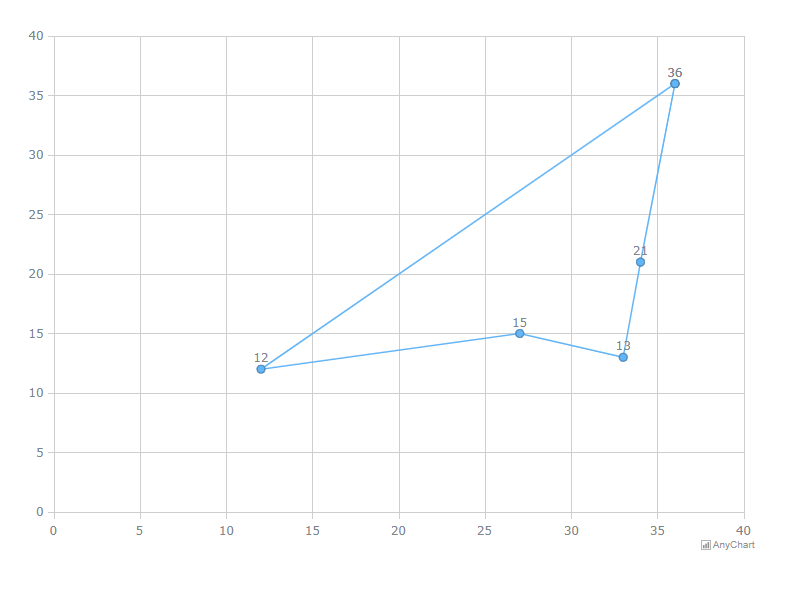
This is an example of work we did for one of our clients. This kind of approach will work with any AnyChart chart that PHPRunner and ASPRunner.NET do not support directly. Here is how you can approach this kind of task.
A Scatter chart is a graph that represents the relationship between two variables in a data set. Normally data is stored in the database as a set of (x,y) pairs. Here is the end result our client was looking for.
The main difference no-code and low-code applications is that you can easily extend low-code applications by adding your own code. This gives you both power and responsibility and we are going to talk about some typical mistakes people do while adding their own code.
Let me show you an example of the code one our clients were using in BeforeLogin event:
Can you tell what is wrong here? If not, keep reading.

When you build a public-facing application you need to make sure it looks sharp. In this article, we’ll show you a few ideas of how you can make PHPRunner and ASPRunner.NET projects look unique.
List page grid
Let’s start with the grid on the List page. As an example, we will be using a recently updated News template that comes with PHPRunner and ASPRunner.NET. We want to draw attention to the very first element, making it bigger than others.

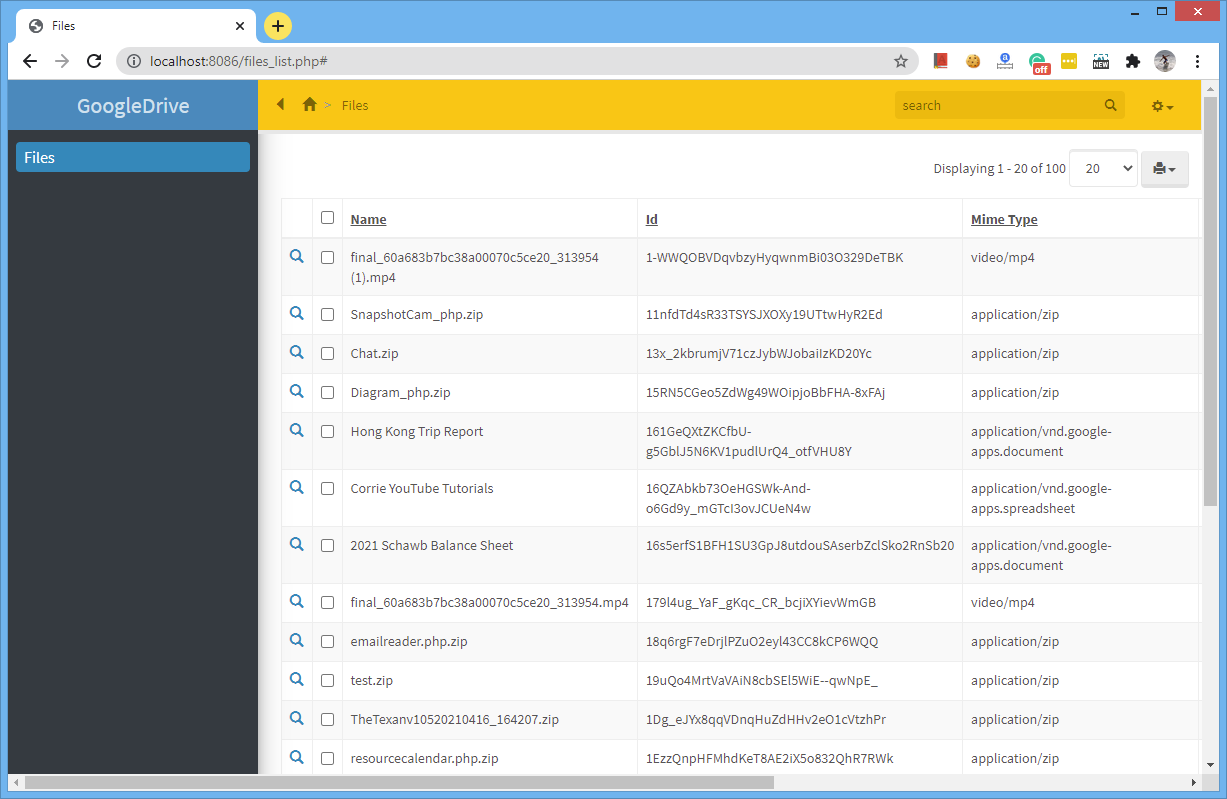
This tutorial shows how to retrieve a list of files from Google Drive through the Google Drive REST API and display those files in a PHPRunner or ASPRunner.NET application.
The example focuses on listing and viewing files. The same REST API can also be used for other Google Drive operations when the appropriate permissions are granted.
Some web applications need to provide quick access to certain pages or documents. For instance, you can share a file via such a link or send a link to an invoice to be paid to your customer like the one on the screenshot below. Let’s see how you can implement this kind of link in your own project. The key is to create add a new text field to the table with invoices or documents that will store a long unique record identifier which will…Continue Reading “Providing access to web application via unique link”
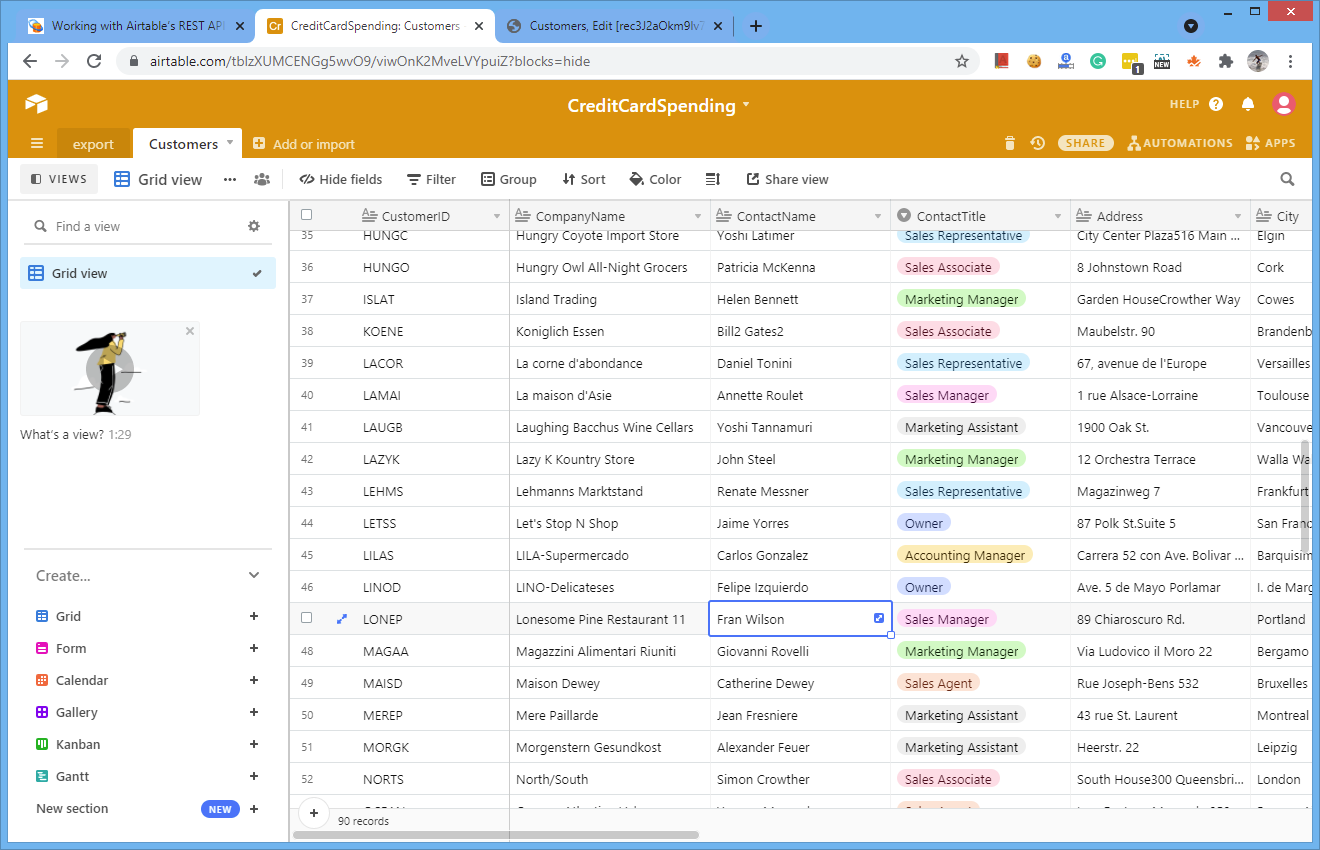
Airtable can be used as an external data source through its Web API. This tutorial shows how to connect a PHPRunner or ASPRunner.NET application to Airtable and work with records through REST endpoints.