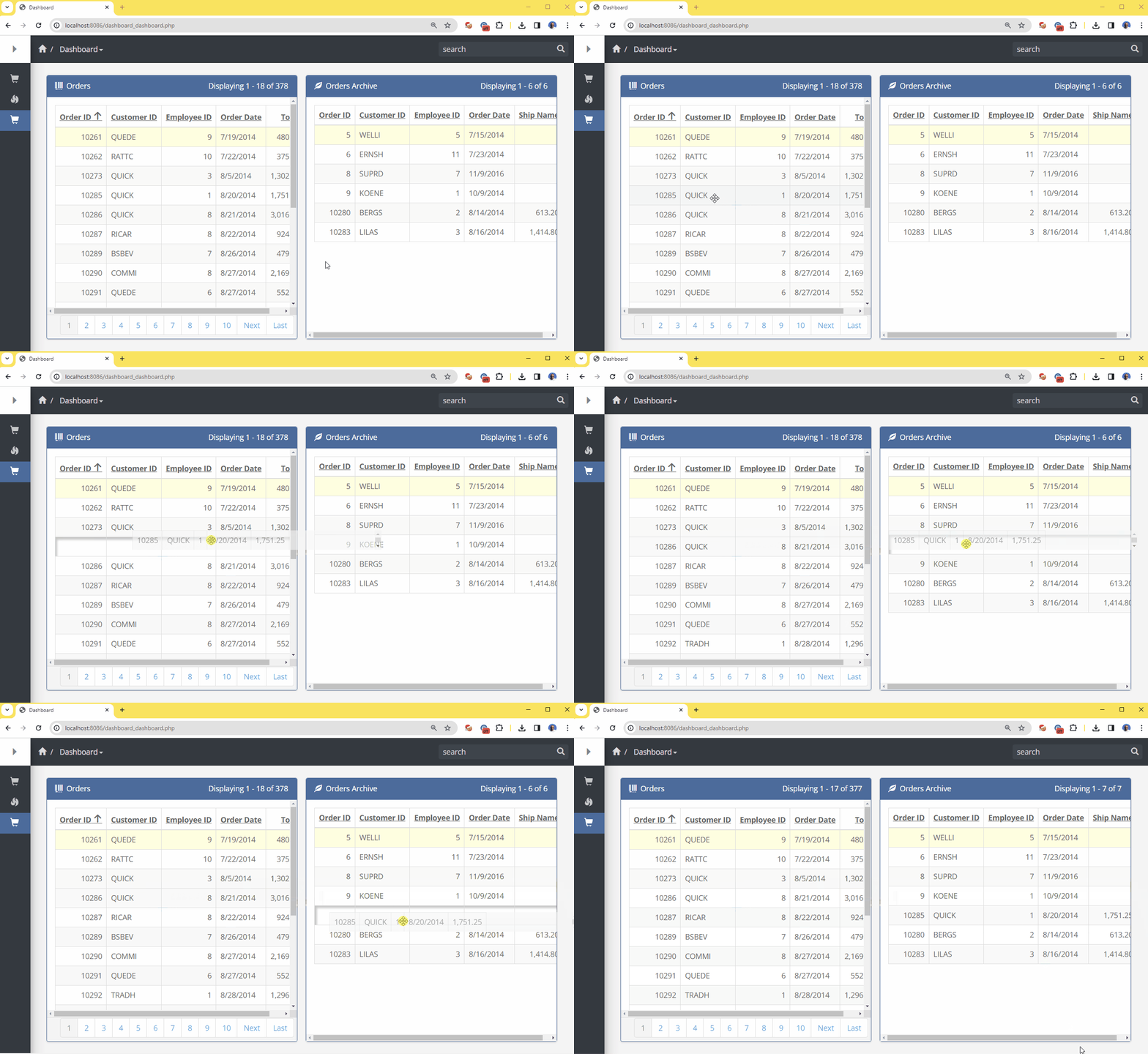
Infinite scroll is a useful technique that allows to load new content automatically, when the user  scrolls down and reaches the end of the page. This is the kind of feature that our customers asked us about for a fairly long time. Turns out, it is not that difficult to implement with the help of some custom coding. Enable ‘AJAX search, pagination, sorting’ option on Pages -> List page settings dialogue. Add the following code to List page: Javascript OnLoad event of the page where…Continue Reading “Infinite scroll”

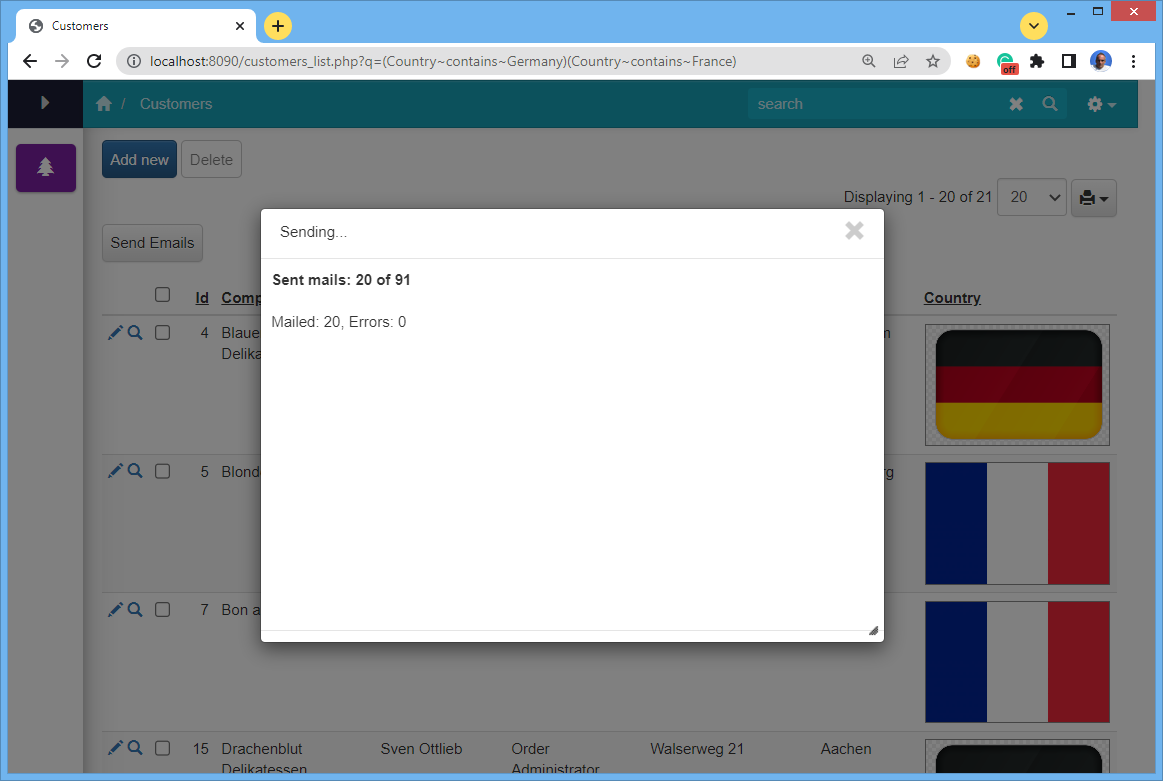
In a web application, some long running tasks may time out and not finish. To avoid this kind of limitation we will show you how to run such tasks reliably and, at the same time provide progress status to the end user so they know the task is still running. In this article we’ll show you how to achieve this in PHPRunner and ASPRunner.NET.

A common task like this is batch sending email notifications. The key is to initiate a process like this from JavaScript sending the next batch of tasks to the server via AJAX.

Continue Reading "Long running process with notifications"

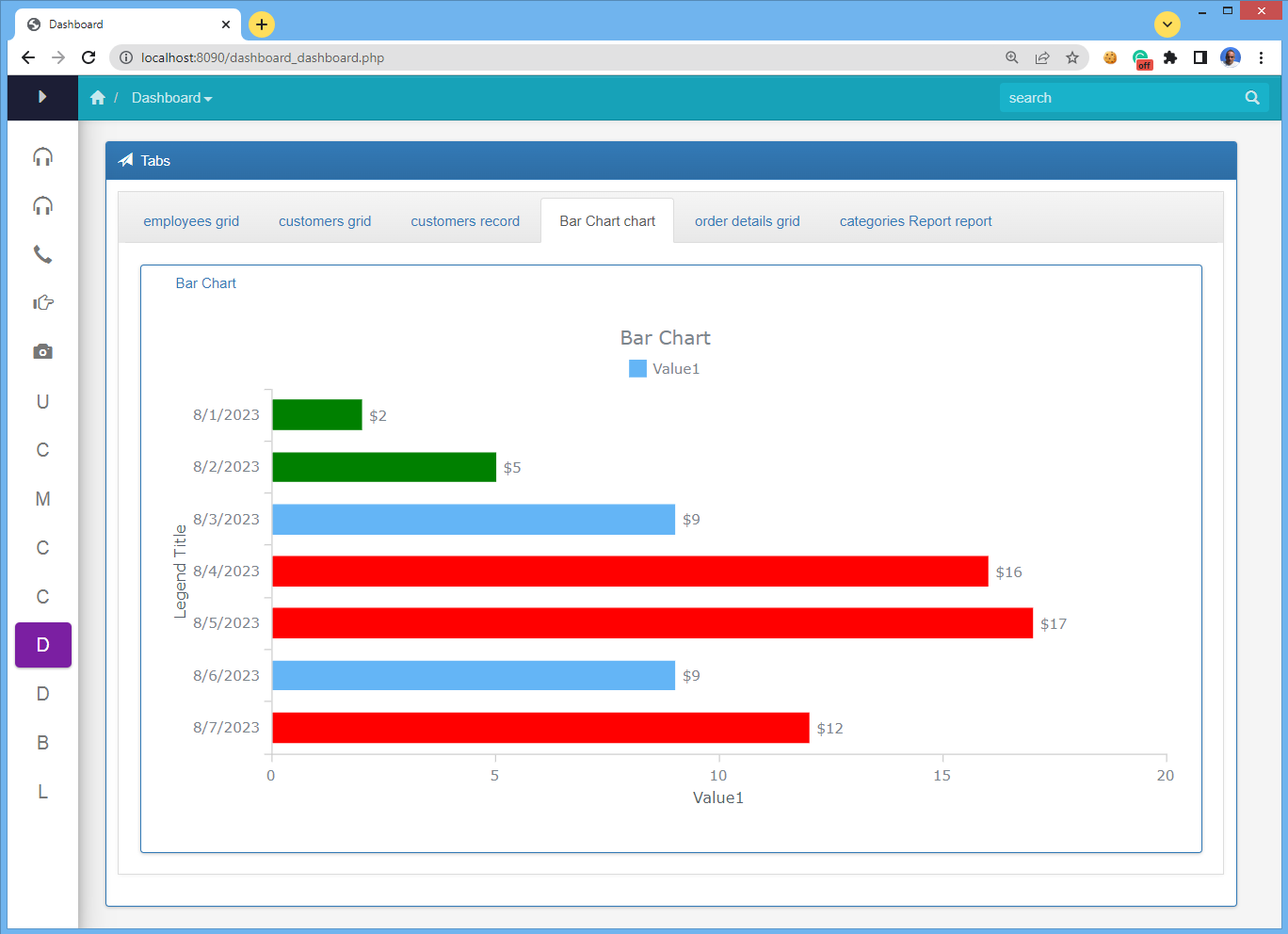
Dashboards excel at showcasing a multitude of valuable information on a single page. However, there are instances when a basic dashboard layout falls short in accommodating the desired volume of data on a single screen. In this article, we will demonstrate a method for amplifying information presentation through the use of a tabbed component. It’s important to note that this is not a built-in and we will need to write a bit of code.

Here is what we after:

Continue Reading "Tabbed elements in dashboards"

As many of you know, we recently launched a side project named PicTur. This is a website, built with the help of PHPRunner, that allows users build beautiful travel stories. Instead of letting you pictures collect dust you can create a travel story and share with the world. Take a look open an account and maybe create a story or two.

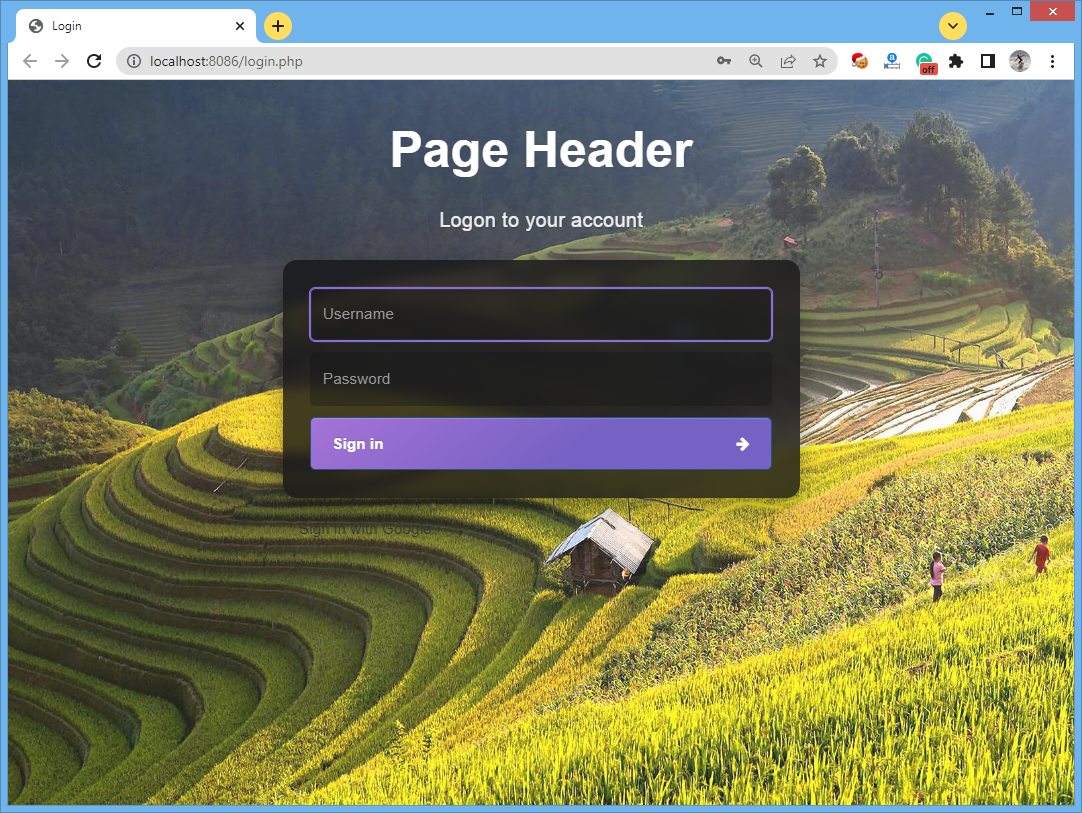
This website was built with the help of PHPRunner and was heavily customized. We will post series of articles talking about the most interesting parts of this project. Let us start by showing how pages like login, register and remind password were prettified. First, we found a good login template at Carrd, customized it a bit and imported CSS into PHPRunner.

This is the end result:

PicTur..app login page

Continue Reading "Yet another custom login page"

This tutorial shows how to generate PDF files on the server with Node.js and PDFMake and call the PDF generator from a PHPRunner application. We use the same general approach for documents such as invoices, billing reminders and other PDFs that need to be created automatically on the server.

Before you start

You need:

  • access to the web server where the generated application runs;
  • permission to install and run Node.js on that server;
  • a folder in the PHPRunner project where the PDFMake script and its dependencies can be stored;
  • a writable location for the generated PDF files.

The PHP/PHPRunner part of the application passes the required values to the Node.js script. The Node.js script builds the document definition, generates the PDF and saves it to the location you specify.

1. Download Node.js and install it.

2. Inside your PHPRunner project create a folder named pdfmake.

Continue Reading "Generate PDF files using NodeJS and PDFMake"

By Jerry Adach, Director Enterprise Data and Automation, Central Maine Healthcare

ASPRunner.Net is, in my opinion, the best software on the market to build secure, role-based data driven workflows and complex reports and dashboards.

Over the years, we started to use more and more stored procedures to be called by custom buttons and table events. It seemed to be more efficient having SQL Server handle some of the heavy lifting and more complicated tasks.

Now we are using another platform to perform some heavy lifting and adding brand new capabilities.

Our talented Lead RPA Developer, Michael DiPoffi, wrote some custom class files that we could easily integrate into ASPRunner.Net. We can now call APIs that will initiate automated workflows, passing parameters from the app to the enterprise RPA (Robotic Process Automation) execution server via normal table events and custom buttons. The class files also retrieve responses from the server to ensure it was successfully executed. This is a game changer.

Since in my organization, Automation, Enterprise Data and App Development are all under one area of IT, this was inevitable.

Continue Reading "Low-code and RPA automation"

An old programmer’s saying, coined by Jamie Zawinski, says “Every program attempts to expand until it can read mail”. Jokes aside, email was and still is an integral part of our lives, and every web application needs to send emails to its users. This guide will walk you through all the steps to ensure every single email-sending aspect is covered. This is going to be a long article and we plan to update it often. Here are the topics, that will be covered in this…Continue Reading “A Complete Guide to Sending Emails with a Web-based Application”

You do not need to import an entire third-party website theme to reproduce its look in PHPRunner. A dashboard can be styled by combining Page Designer settings, fonts, chart options, code snippets and a small amount of CSS while keeping the generated application structure intact. The example below starts with an existing dashboard design as inspiration and recreates the important visual ideas inside PHPRunner. For inspiration, we will use the Material Dashboard design by Creative Tim. Here is the original design: Before you start When…Continue Reading “How to Create a Custom Dashboard Theme in PHPRunner”

When you have a long List page with dozens of records, editing or viewing a record on a separate can be cumbersome. After you edit or view a record, clicking ‘Back to List’ will display all the records from the top and you lost the position of the record you just edited. This simple technique will allow you to scroll the List page back to the original position and also it will highlight the record that was just edited or viewed. To implement this feature…Continue Reading “How to scroll List page to the record that was edited”

So you want to know how much time users spend on any specific page of your web application? This article explains how to log what pages your users visit and how much time they spend on each page. This kind of data can provide valuable insight into what forms of your application are too complicated and need to be split into several smaller forms. Or if they keep coming back to the welcome page this may mean your navigation inside the app can be improved.

Continue Reading "Tracking visitors behaviour in your web application"