PHPRunner and ASPRunner.NET already provide password policies, encrypted password storage, CAPTCHA, two-factor authentication, and user permissions. In this tutorial, we will add two more checks: reject passwords found in known data breaches and block visitors whose IP addresses have a very high abuse score.
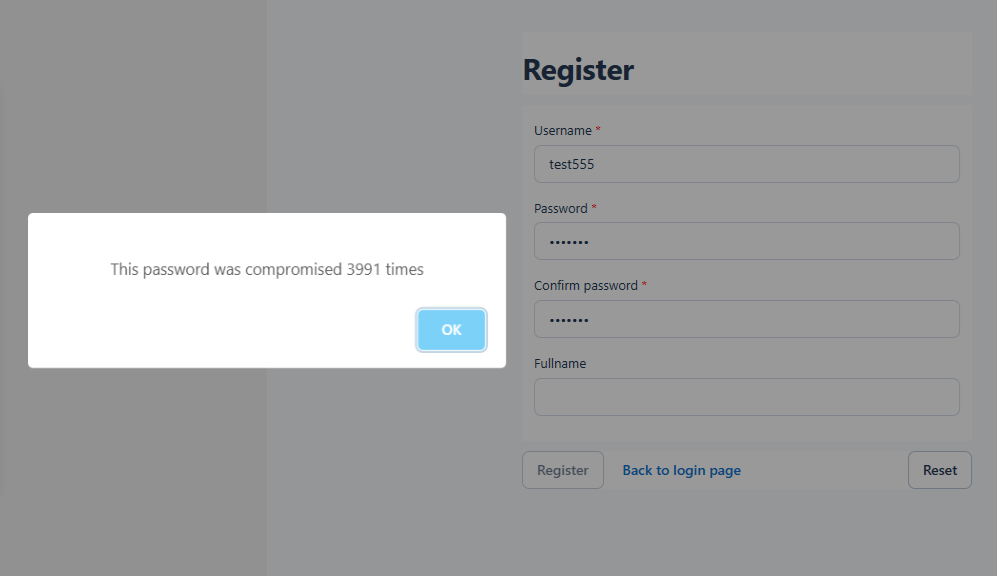
During registration, haveibeenpwned.com checks whether the password has appeared in known data breaches. The password itself is never sent to the service, and this API does not require a key.
Before processing an application page, abuseipdb.com checks whether the visitor’s IP address has been associated with abusive activity. This service requires an API key. Section 6 explains how to create that key. The results are cached locally to reduce the number of external requests.
Continue Reading "Block Compromised Passwords and High-Risk IP Addresses"